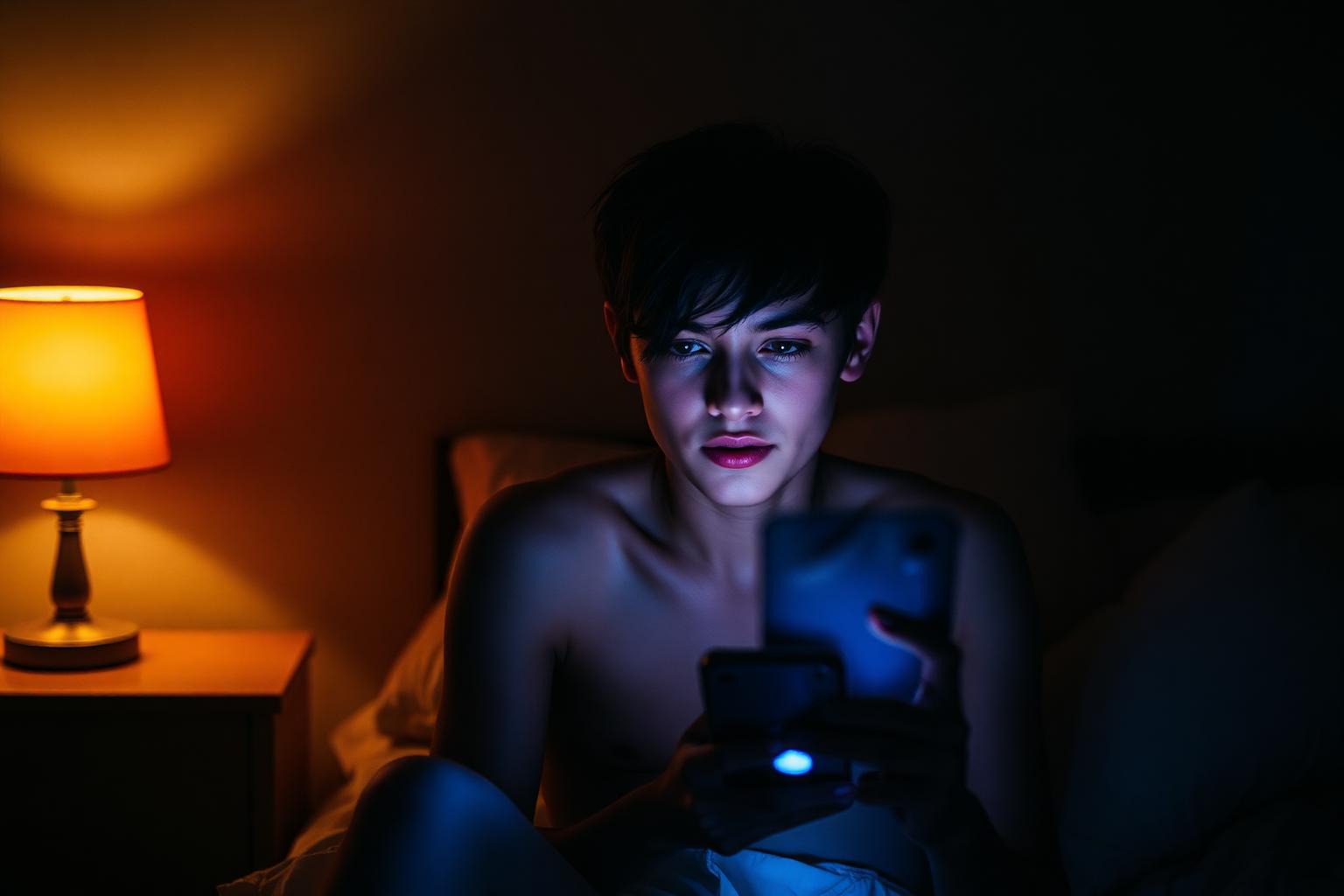
An essay · 4 min read
How did dating become
so exhausting?
For most of human history, people met through community, geography, family, work, religion, or shared social circles. Then technology changed everything.
For most of history, dating wasn't infinite.
People met through proximity and shared community. Choice was limited — but social accountability was high.
- Villages
- Schools
- Mutual friends
- Religious groups
- Neighborhoods
- Workplaces
People weren't evaluating hundreds of strangers at once.
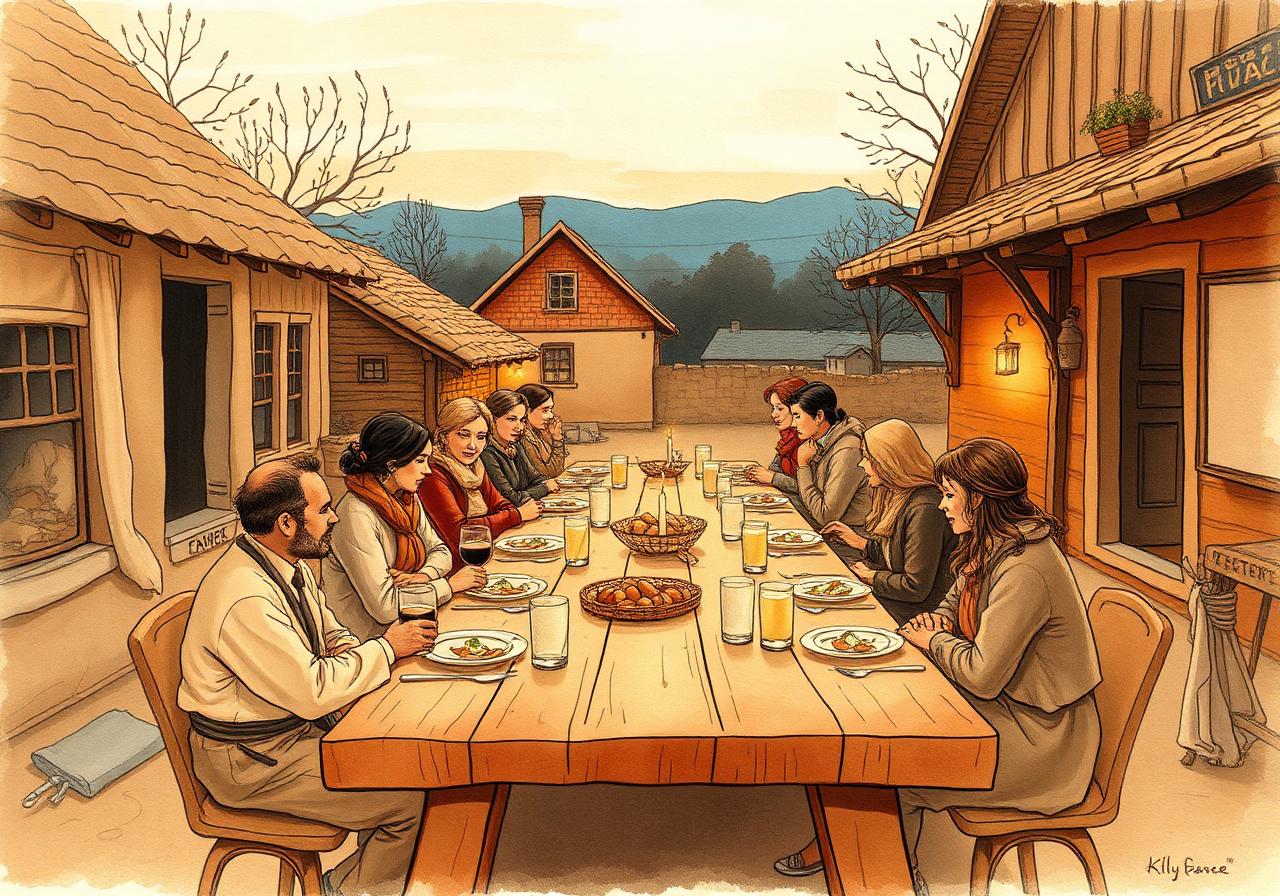
A community gathered, not curated.
Then dating became freedom.
As cities grew and technology expanded, people gained more independence and more choice. This was exciting. People could meet outside their hometowns, backgrounds, and social circles.
Dating became more personal, individual, and open-ended.
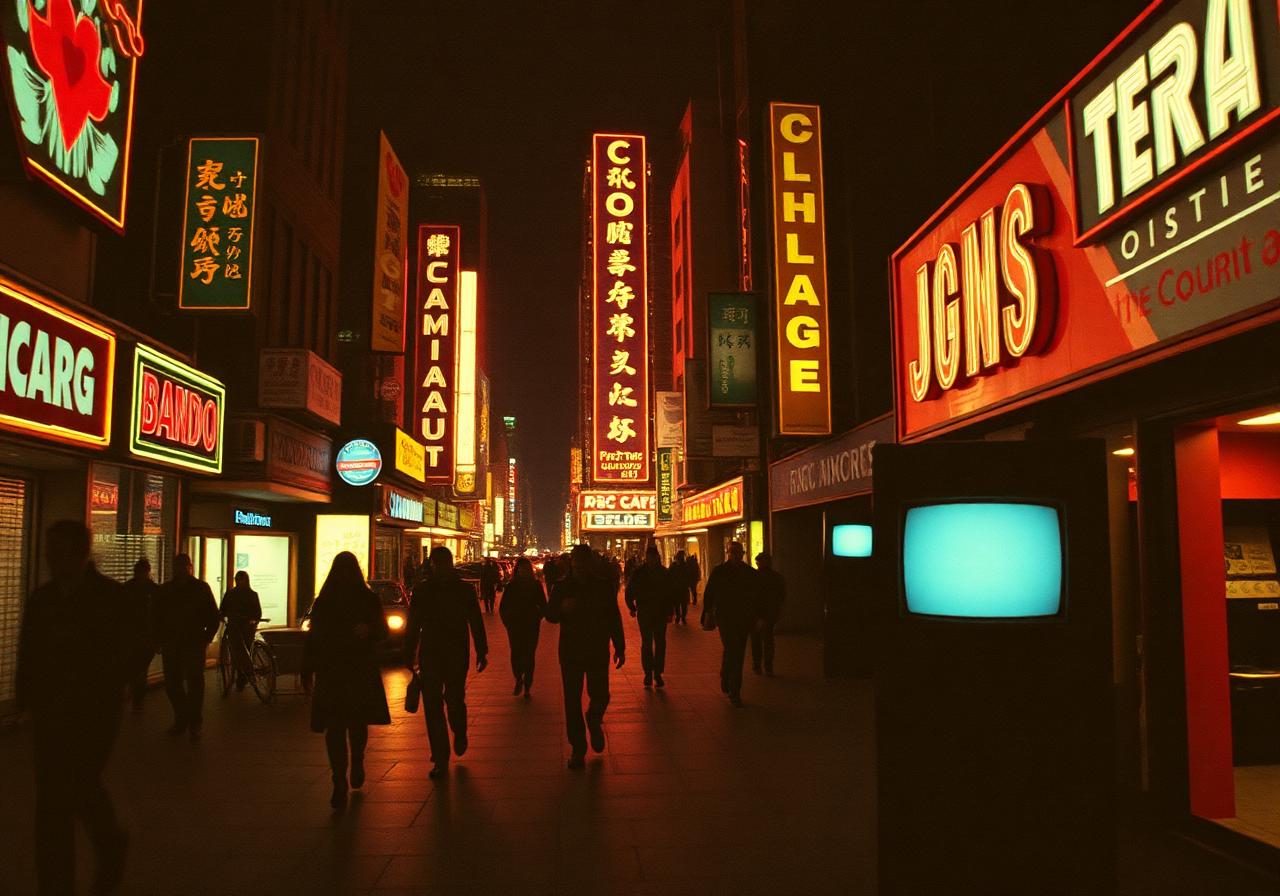
A wider world, a wider net.
Then dating became a marketplace.
Apps made meeting people easier than ever. But they also transformed dating into an endless stream of profiles, options, comparisons, and attention.
People became overwhelmed, distracted, emotionally fatigued. Conversations became disposable. Everyone became replaceable.
More
matches
Less
investment
More
attention
Less
connection
Human psychology never adapted to infinite choice.
Our brains evolved for community-sized social groups — not evaluating hundreds of potential partners every week. Too many options can reduce focus, emotional investment, and follow-through.
The result: modern dating often feels less human, even though we're more connected than ever.
What if dating felt intentional again?
Shortlist was inspired by a simple idea: maybe people don't need more matches.
- —Less noise
- —Better norms
- —More focus
- —More intentionality
Not by going backward — but by designing something more human.

A different kind of dating culture.
The future of dating probably
isn't more swiping.
It's better environments. Better incentives. Better culture.
The people make the platform.